

Choosing the right water heater has a direct impact on comfort at home and on monthly bills. A handful of basic rules help transform a confusing set of options into a clear shortlist that fits your lifestyle and budget.
Practical trade offs include upfront cost, energy use, available fuel, and the physical space you can spare. The following sections break down the main factors with enough detail to make an informed pick.
Types Of Water Heaters
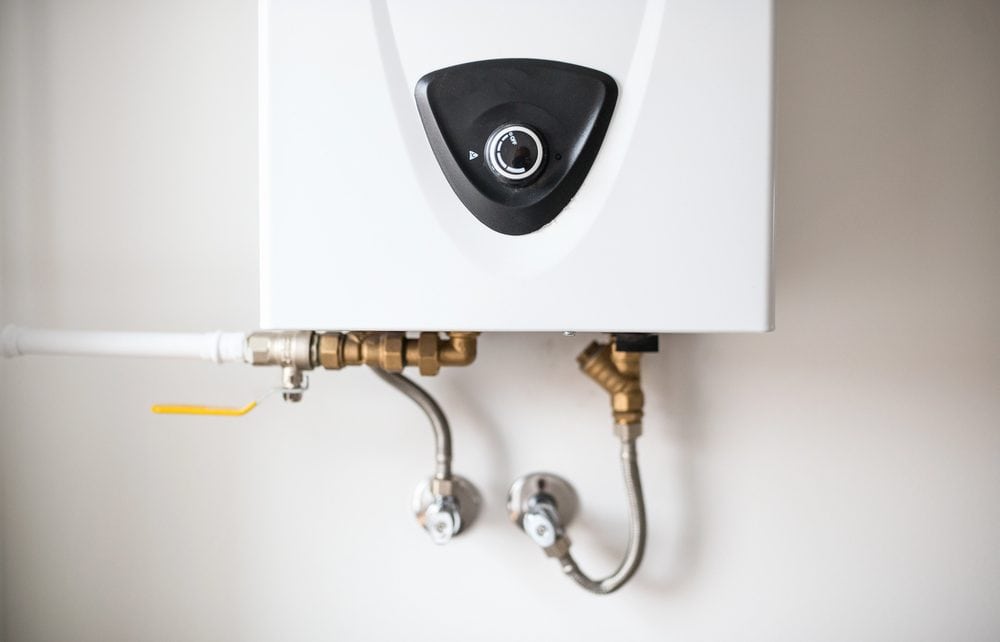
Storage tank models hold a reserve of hot water ready for use and are familiar to many households because they are simple to operate and repair. Tankless units heat water on demand and often reduce standby waste, which can lower energy use over time for smaller households.
Heat pump water heaters move heat rather than create it, offering strong efficiency gains in mild climates while requiring more room and a different installation approach. Solar and indirect systems tap external heat sources and work best when paired with thoughtful sizing and backup options for cloudy days.
Fuel Sources And Energy Use
Electric units are widespread and straightforward to install where gas service is absent, and they tie into the grid at predictable rates that vary by region. Natural gas and propane often provide lower operating costs per unit of heat when local prices and availability line up, but they require safe venting and proper combustion management.
Solar thermal systems shift fuel use away from fossil energy and cut utility bills in sunny locations, though they need panels, controllers, and space that not every property has.
It is also worth planning ahead, since winter freezes can raise hot water demand overnight and put extra strain on undersized or inefficient systems. Comparing long term bills against purchase price helps reveal the real cost picture rather than focusing on sticker shock alone.
Tank Size And Hot Water Demand

Choosing the correct tank size revolves around household habits such as how many showers run at once and whether appliances like dishwashers and clothes washers operate on hot settings. A rule of thumb is to list peak uses and then match a tank or flow rate to that peak rather than average use, which avoids mid morning or evening shortages.
For tankless systems the key number is gallons per minute at the temperature rise you require, and matching that figure to likely concurrent uses prevents disappointing cold bursts. Families with variable schedules often benefit from slightly higher capacity to buffer against surprise demand.
Efficiency Ratings And Costs
Energy efficiency is captured by metrics that allow apples to apples comparison between models and fuel types, and those labels help predict yearly energy use. Higher efficiency models lower monthly bills but come with higher purchase prices, so a simple payback estimate shows how long it takes for savings to offset the upfront cost.
Incentives and rebates from utilities or governments can shift the math and turn a premium model into a financially sensible move. When calculating total cost factor in operating expenses over the expected service life rather than focusing only on initial outlay.
First Hour Rating And Recovery
First hour rating measures how much hot water a tank model can deliver in a single busy hour and is a practical guide when many household activities cluster together. Recovery rate refers to how quickly a heater can restore its stored heat after heavy use and becomes important when your schedule creates repeated peaks.
Both numbers matter for systems with tanks, while tankless choices lean more heavily on continuous flow capability under peak load. Pay attention to real use case scenarios to see which metric will make the most difference for your daily routine.
Installation Requirements And Space
Venting needs, electrical panel capacity, and clearances around the unit shape where and how a water heater can be placed inside a house. Gas models require safe exhaust pathways and combustion air, while electric high capacity units may need upgrades to supply wiring and breakers that older homes lack.
Heat pumps and solar collectors have their own footprint and service clearances that must match the available space before a sale makes sense. A pre installation walk through often reveals hidden costs such as vent construction or rewiring that change the final tally.
Maintenance And Lifespan
Routine tasks like flushing sediments, checking pressure relief valves, and swapping out sacrificial anode rods extend service life and improve efficiency for most tank models. Tankless and heat pump systems need their own periodic attention, including descaling and filter changes in areas with hard water, and skipping care can accelerate wear.
Typical lifespans vary across technologies; storage tanks often last a decade or more with good care while tankless units commonly run longer if serviced. Budgeting for maintenance keeps the system reliable and reduces the odds of unexpected replacement bills.
Safety Features And Codes
Temperature pressure relief valves, high limit controls, and proper venting protect people and property and are required by building codes in many places. Setting thermostats to a safe level cuts the risk of scalding and also trims energy use, with many professionals recommending a moderate setting for family homes.
Local codes govern seismic straps, pipe insulation, and clearance that affect installation choices, and failing to follow those rules can create liability and insurance headaches. A licensed installer will know the code requirements and help avoid shortcuts that look inexpensive but end up costly.
Environmental Impact And Emissions
The carbon footprint of your hot water depends on the fuel source and the efficiency of the unit, and swapping out an older, inefficient heater for a high efficiency model often yields notable emission cuts. Moving toward low carbon grids and adding renewable sources like solar reduces long term impact and can play well with other household efficiency upgrades.
Water use habits also matter since shorter showers and low flow fixtures reduce the total energy tied to hot water regardless of the heater type. Making small changes across the home adds up and complements whatever hardware choice you make.
Choosing A Professional Installer
Hire a licensed and insured professional who has experience with the specific technology you plan to buy, because correct installation affects safety and performance more than many buyers expect. Request multiple written estimates and ask about warranty coverage for parts and labor to avoid surprises in the event of a failure soon after installation.
Check local licensing boards or trade reviews and ask for references to confirm past work quality, and watch for clear communication about timelines and site prep. A skilled installer often pays for themselves through fewer callbacks and a smoother process that gets you back to normal life faster.


