

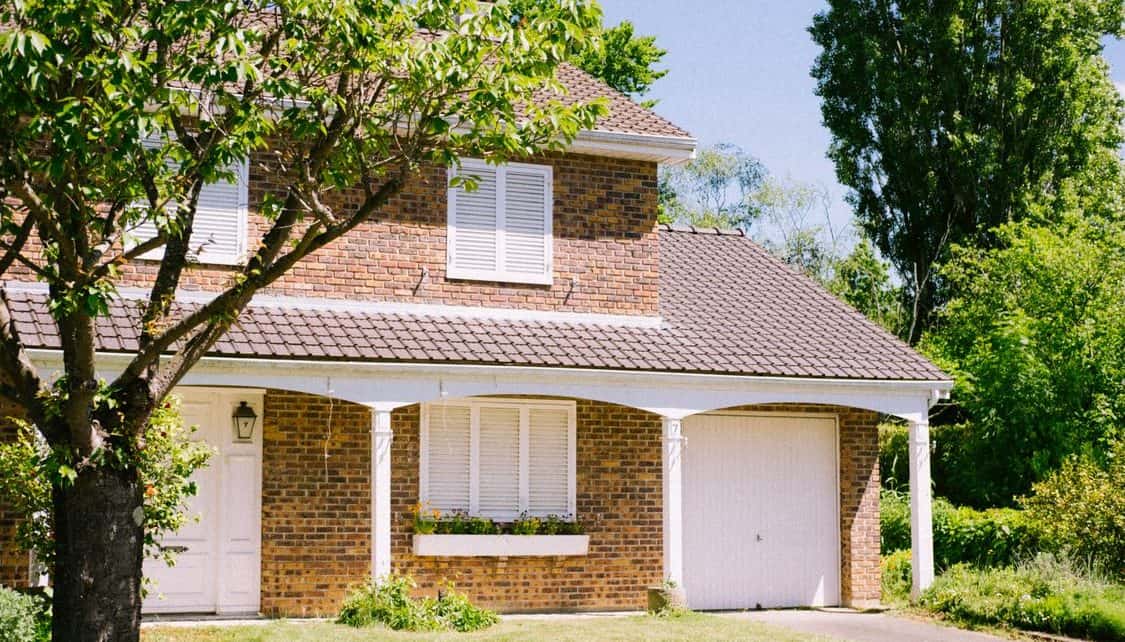
Wind does not get the attention that snow and ice do in Toronto, but it is the force that peels shingles, lifts edges, and turns a small flashing gap into a torn-open roof in a single gust. Ontario’s 2024 code update quietly raised the bar on how buildings are designed to resist it.
The change is technical and easy to overlook, but it reflects a broader principle that matters to any homeowner re-roofing in the GTA: design now assumes harder weather than it used to.
What changed in the math
The updated code adopted refreshed climatic data, and for some building categories the shift in wind design was significant. Moving wind design to a longer return period, accounting for rarer but more violent events, produced a 25% to 35% increase in calculated wind load for the structures affected, depending on location.
That figure is most pronounced in larger and agricultural structures, but it illustrates the direction of the whole code: design to the updated 2020 climatic numbers, which run higher than the data they replaced. The assumed worst case got worse, on purpose.
Why wind is a roof problem specifically
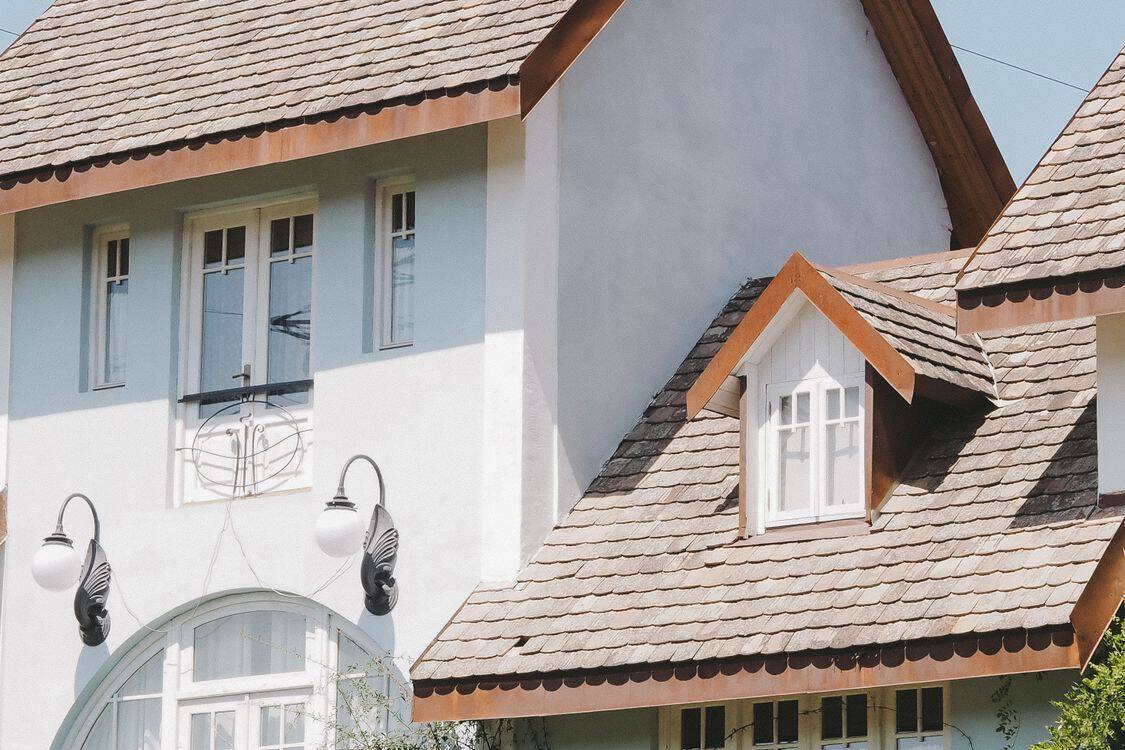
A roof is the part of a house most exposed to wind uplift. The pressure does not press down evenly across the surface; it tries to peel the leading edges, corners, and ridges, which is precisely where cheap installs cut corners and where most wind failures begin.
The way a roof resists that is through correct edge metal, proper fastening patterns with the right number and placement of nails, and well-detailed starter courses. On a metal roof it is the clip spacing and seam engagement; on shingles it is the nailing line and the sealant strip. Get those right and the roof stays attached; get them wrong and a strong gust finds the weakness.
What it means for a homeowner
Higher design standards only help if the installation matches them on the day. A homeowner cannot inspect a fastening schedule or count nails, so the protection comes entirely from hiring a crew that builds edges and fastening to current standards rather than to whatever is fastest.
This is the frustrating reality of roofing quality: the most important parts are the ones you cannot verify after the fact. That asymmetry is why reputation matters so much, an installer with an established record of work that has actually withstood Toronto winters and windstorms is offering evidence you cannot get from the quote itself.
Wind resistance is built, not bought
The point worth holding onto is that no premium product fixes a poor install. A top-rated shingle nailed too high, or a metal panel fastened on the wrong centres, will fail in wind regardless of what the box promised.
Wind resistance lives in the details a roofer either gets right or skips, and the updated code raised the baseline for what “right” means. For a Toronto homeowner, the durable lesson is to spend less energy on the brand of shingle and more on the competence of the crew fastening it down.


