

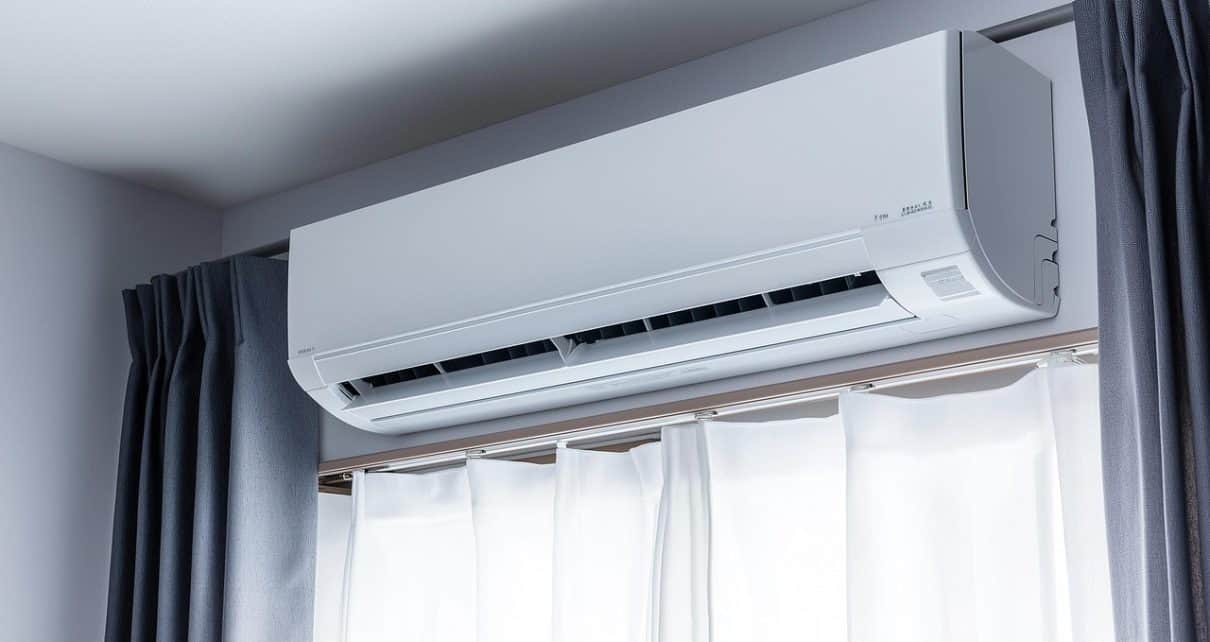
Air conditioners are easy to take for granted until they stop working on a hot afternoon, turning comfort into an urgent problem. Skipping routine maintenance can feel like a small saving at first, but it often triggers a chain of mechanical failures and rising expenses.
Those costs reach beyond a single repair bill to include higher electricity usage, poorer indoor air quality and a shortened service life for the whole system. Knowing how a modest investment in tune ups protects health, comfort and home value helps homeowners avoid being penny wise and pound foolish.
Energy Efficiency And Utility Bills
When filters clog and evaporator coils gather dirt and grime, the compressor must run longer and harder to hit the thermostat setting which wastes energy. A system that runs inefficiently uses a lot more electricity over weeks and months which shows up as a steadily rising utility bill that can surprise any household.
Small percentage increases in consumption compound during peak cooling season and can easily erase any perceived savings from skipping a simple service visit. Monitoring energy use after a service call often reveals a drop in kilowatt hours and a visible reduction in monthly costs, proof that maintenance pays.
Frequent Breakdowns And Repair Bills
Minor issues caught during a planned inspection, such as loose fittings or worn belts, can be fixed quickly yet left alone they often evolve into full scale failures. A refrigerant leak that begins as a slow drip can lead to compressor burnout which is one of the most expensive single repairs on many units.
Labor for emergency repairs and the price of rare replacement parts can send a repair bill well beyond the cost of routine upkeep. For homeowners who face sudden system failures, having access to reliable 24/7 HVAC repair can provide peace of mind and reduce the financial impact of these breakdowns.
In practice, homeowners who skip maintenance often find they are paying repetitively for the same system failures that a short inspection would have prevented.
Reduced System Lifespan
Operating under constant strain, with dirty coils and poor airflow, shortens the usable life of key components and accelerates wear across the system. Metals that heat and cool repeatedly will fatigue faster and electrical contacts exposed to corrosion will fail sooner, forcing premature replacements.
Replacing an entire unit years earlier than expected is a large financial setback that also consumes resources and labor. A modest maintenance budget spread over many years typically yields a higher total service life and lower lifetime cost per year.
Indoor Air Quality And Health

Neglected filters and blocked drainage can become breeding grounds for dust mites, mold and bacteria that are pushed into the living space each time the system runs. People with sensitivities, children and older adults often notice more sneezing, itchy eyes and disturbed sleep when indoor air worsens.
Those health effects translate into real costs, from extra over the counter remedies to doctor visits and lost days at work or school. A technician who replaces filters, flushes drains and treats coils removes many of these risks and restores cleaner air with little fuss.
Comfort And Productivity Loss
When rooms struggle to reach comfortable temperatures or when humidity control slips, people feel distracted and less able to focus on tasks that demand concentration. Home workers report lower output and more interruptions when climate control is inconsistent and hot spots in a house can create constant thermostat battles.
To chase comfort people may lower set points, run fans more or close vents, choices that add load and hasten component failure. Keeping equipment serviced keeps temperature swings and humidity in check so everyday life goes on with fewer disturbances.
Safety Hazards And Fire Risk
Dust buildup, degraded insulation on wiring and loose electrical connections raise the likelihood of shorts that can trip breakers or, in worst cases, cause a fire. Fuzzy smells, burning odors or unexplained tripping are warning signs that often appear before a catastrophic failure but are frequently ignored until the worst happens.
Overheated motors locked by clogged fans are a classic failure mode that turns a small maintenance oversight into an urgent safety problem. Regular checks catch worn wiring and weak mounts, items that reduce risk and make a house safer for occupants.
Refrigerant Leaks And Environmental Impact
A leaking charge does more than reduce cooling capacity; it forces the system to run longer and increases energy consumption at precisely the time you need efficiency most. Older refrigerants carry strong warming potential and a leak releases molecules that contribute to climate effects beyond any single home.
Repairing leaks, reclaiming refrigerant when possible and topping up the correct charge prevents needless emissions and saves money on operating costs. Technicians who check pressure, inspect joints and monitor charge levels help curb both bills and the unseen environmental toll of a neglected unit.
Warranty Voids And Contract Issues
Manufacturers and extended service plans commonly require proof of regular maintenance, and missing records can be used to deny claims for otherwise covered failures. A denied warranty claim means the homeowner absorbs the full cost of a repair that might have been fully or partially covered with proper documentation.
Contracts often spell out specific tasks and intervals, so a skipped annual visit can create contractual exposure that shows up only when a major failure occurs. Keeping a simple log and saving invoices is an easy administrative step that protects savings in the event of a dispute.
Emergency Service Premiums
When a system goes out on a holiday night, the service call and any replacement parts can carry premium rates that are much higher than a planned daytime appointment. Service windows are longer for emergency calls and technicians sometimes charge for after hours travel which compounds the bill for a single breakdown.
Avoiding that scenario with preventative checks reduces the odds of a costly emergency that disrupts family plans and costs extra. Budgeting for scheduled maintenance keeps costs predictable and prevents the shock of inflated invoices when timing is bad.
Property Value And Resale Concerns
Visible signs of neglect, such as rusted panels or oily stains, are red flags to buyers and to inspectors who will note them on a report. Homeowners who cannot produce a recent maintenance record often face tougher questions and lower offers when negotiating a sale.
A suddenly failed central unit in the middle of a transaction can derail a deal and produce hurried, expensive remedies to satisfy a buyer. A well documented service history supports asking price and gives potential buyers confidence that systems were cared for over time.
Time Costs And Inconvenience
Coordinating emergency repairs, cancelling plans and waiting for parts consumes hours that families do not typically plan to lose, creating stress beyond the financial hit. A few short maintenance visits scheduled in advance generally take less time than the cumulative wait for multiple call outs and repairs.
Days spent without functioning cooling during a heat wave are uncomfortable and sometimes dangerous, especially for vulnerable household members. Treating preventive care as a routine errand saves time, avoids last minute scrambles and frees up weekends for life rather than repairs.


