

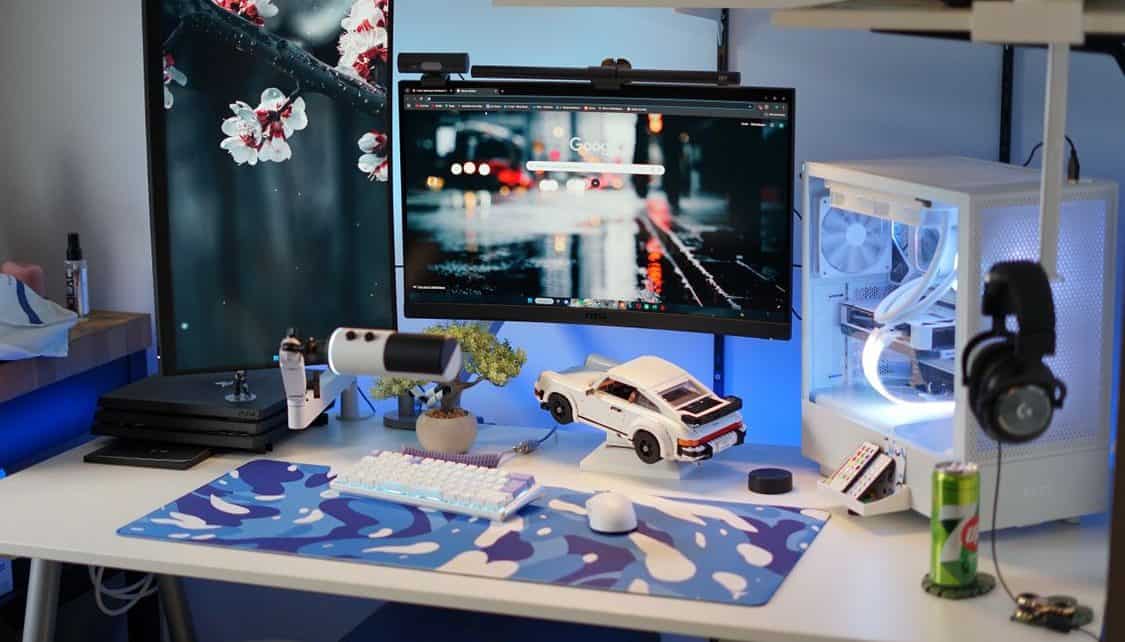
When people picture creator merchandise, they picture a t-shirt. Maybe a hoodie, maybe a coffee mug. The default mental image is apparel, and it has been for as long as creators have been selling anything at all.
That image is starting to look dated. As the business of being a creator matures, the smartest sellers are widening their product mix beyond clothing, and one of the quieter beneficiaries is the desk mat.
The scale of the underlying market explains why. Goldman Sachs has projected the creator economy will reach $480 billion by 2027, and merchandise is one of the few revenue lines where the creator keeps the margin rather than handing it to a platform. That incentive is reshaping what creators choose to make.
Apparel Was Never the Whole Story
The problem with selling shirts is that everyone sells shirts. The market is saturated, sizing is a logistical headache, and the item disappears into a drawer most of the year.
Creators who have been at it a while tend to discover the same thing. The merchandise that sells consistently is the merchandise that fits the audience’s actual life, and a large portion of any online creator’s audience spends its time at a desk.
A desk mat is a near-perfect match for that reality. It is functional, it is on display every single day, and it sits in exactly the environment where the fan first encountered the creator. For a gaming or tech channel especially, it is more native to the relationship than a piece of clothing ever was.
There is also a margin argument. Print-on-demand has made it possible to launch a custom-printed desk mat with no inventory and no upfront cost, which means a creator can test a design with the same financial risk as testing a sticker, which is to say almost none.
The Surface Fits the Way Creators Actually Build Brands
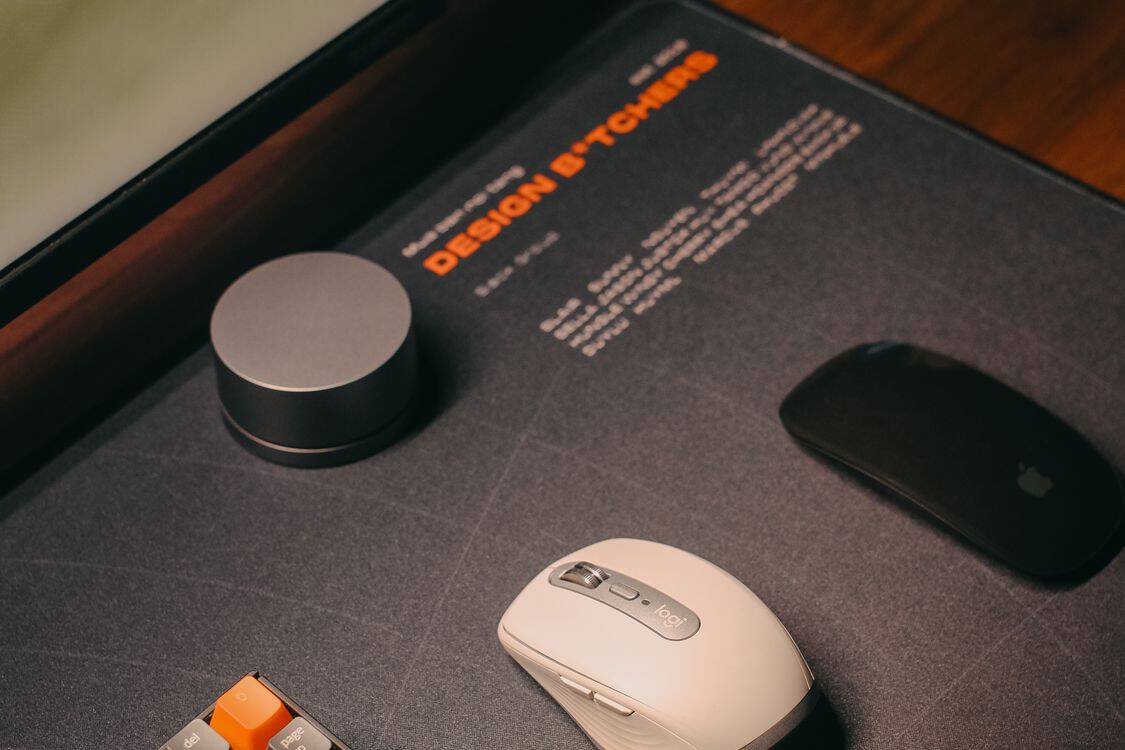
Modern creator branding is visual and repetitive. A logo, a color palette, a mascot, a catchphrase rendered in a recognizable typeface. Those assets get stamped on everything the creator touches because consistency is how a loose audience becomes a recognizable brand.
A desk mat is an unusually large canvas for those assets. Where a sticker offers a few square inches, a full surface offers something closer to a poster that the fan uses functionally instead of hanging on a wall.
That makes it valuable in a way apparel is not. A fan wearing a creator’s shirt advertises to strangers on the street. A fan using a creator’s desk mat is reminded of the relationship every time they sit down to work or play, which is precisely the loyalty loop creators are trying to build.
It also photographs well. Desk-setup content is enormous across social platforms, and a branded surface gives both the creator and the fan something to show off in exactly the kind of post that travels.
What the Economics Reward
The reason this shift is accelerating now rather than five years ago is that the tooling finally makes it trivial. A creator no longer needs to negotiate minimum order quantities with a manufacturer or gamble on a pallet of unsold goods.
They upload a design, list the product, and the fulfillment happens per order. The financial model rewards experimentation, and experimentation is exactly how creators discover that their audience will buy a desk mat more readily than another shirt.
For audiences in the thousands rather than the millions, the math still works. Even modest channels can turn a recognizable design into steady monthly income from physical products, and the products that perform are the ones the audience genuinely uses.
There is a strategic reason the surface works so well as a second or third product rather than a first. Apparel is how many creators test whether their audience will buy anything at all. Once that demand is proven, the question becomes what else the same fans will purchase, and the answer is usually something tied to where they already spend time with the creator’s content.
The timing also favors physical goods right now. As ad rates and platform payouts swing unpredictably, creators are actively hunting for income they own outright rather than rent from an algorithm, and a product line is exactly that kind of durable, creator-controlled revenue.
That last point is the whole game. A half-trillion-dollar economy is not built on novelty purchases that gather dust. It is built on items that fit the customer’s daily life, and for an audience that lives at a desk, a personalized surface is about as good a fit as merchandise gets. The t-shirt will survive, but it is no longer the obvious first product, and that is a meaningful change in how creators think about what to sell.


