


Victorians love to complain about their energy bills, and with good reason. But the conversation almost always jumps straight to heating systems and solar panels, while skating past one of the biggest culprits: the building envelope itself, and especially its windows.
A wave of new policy attention is finally putting the spotlight where a lot of the heat actually escapes.
A State With an Insulation Problem
The scale of the issue is striking. Industry analysis tied to the Victorian Energy Upgrades program estimates that 60% of Victorian homes either have no insulation or inadequate insulation.
That is why the state is rolling out a new ceiling insulation incentive from early 2026, designed to roughly halve installation costs and save eligible households around $400 a year on energy bills. It is a tacit admission that the housing stock leaks heat badly.
Ceiling insulation is the right place to start, since a lot of heat is lost and gained through the roof. But ceilings are only part of the envelope. Windows are typically the weakest thermal link in the entire house.
Glass is a poor insulator. A standard single-glazed window readily lets warmth pour out in winter and bake a room in summer, undermining the work that ceiling and wall insulation are doing elsewhere.
The Window Problem, and a Practical Fix
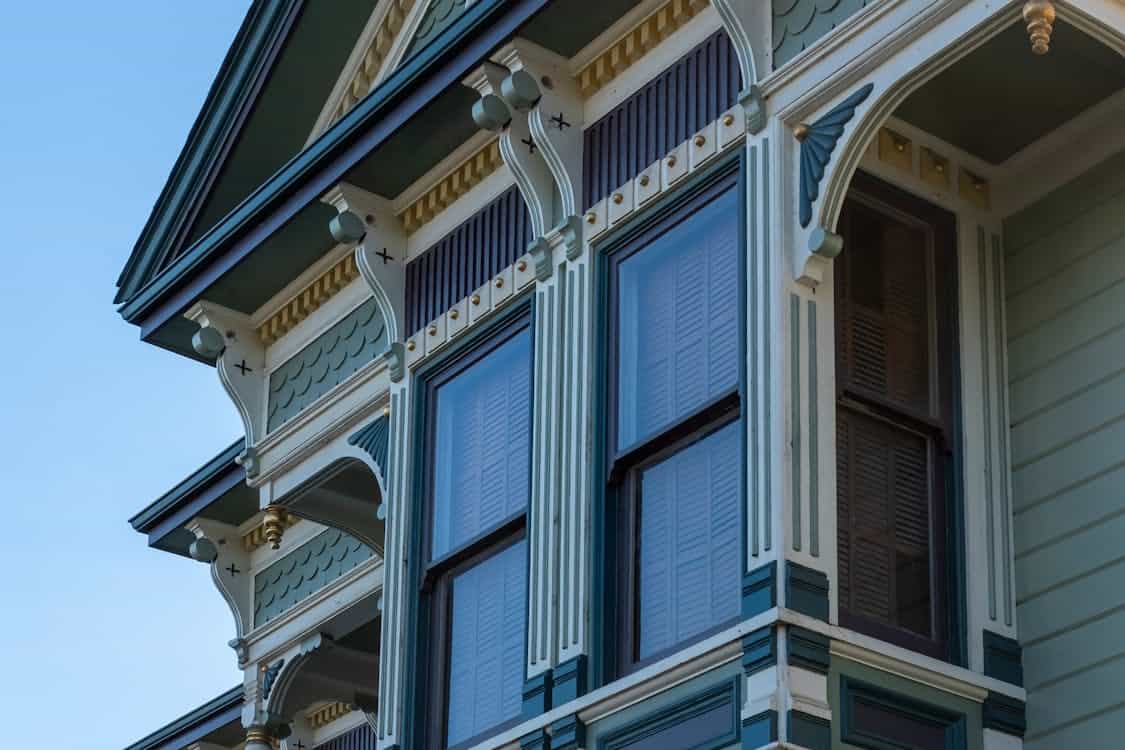
There are a few ways to tackle heat loss and gain through windows. Double glazing is excellent but expensive to retrofit across a whole house. Heavy curtains help a little. External shading tackles the problem from a different angle by stopping heat before it reaches the glass.
An external shutter adds a layer of trapped air and a physical barrier on the outside of the window, which slows heat transfer in both directions. In summer it blocks sun before it hits the glass; in winter it reduces the warmth radiating out through the pane overnight.
This is part of why modern roller shutters are often pitched on insulation and comfort as much as on security, since the same product that hardens a window also moderates the temperature swings that drive heating and cooling costs.
It is a meaningful complement to ceiling insulation rather than a replacement. Sealing the roof while ignoring the windows is like wearing a warm hat with the front door open.
Thinking About the Whole Envelope
The smartest approach treats a home as a system. Sustainability Victoria’s own guidance describes good insulation as creating a sealed envelope that works like a thermos in winter and an esky in summer, and windows are the part of that envelope most likely to fail.
For homeowners planning upgrades, the sequencing matters. Taking advantage of the incoming ceiling insulation incentive is an obvious win, but pairing it with better window performance closes one of the largest remaining gaps.
With energy prices unlikely to fall sharply and summers trending hotter, reducing how hard a home has to work to stay comfortable is one of the few reliable ways to cut bills permanently. The fixes are not glamorous, but they compound year after year.
The new incentives are a useful nudge. The homes that benefit most will be the ones that look past the ceiling and treat their leakiest surfaces, windows included, as part of the same problem.


