

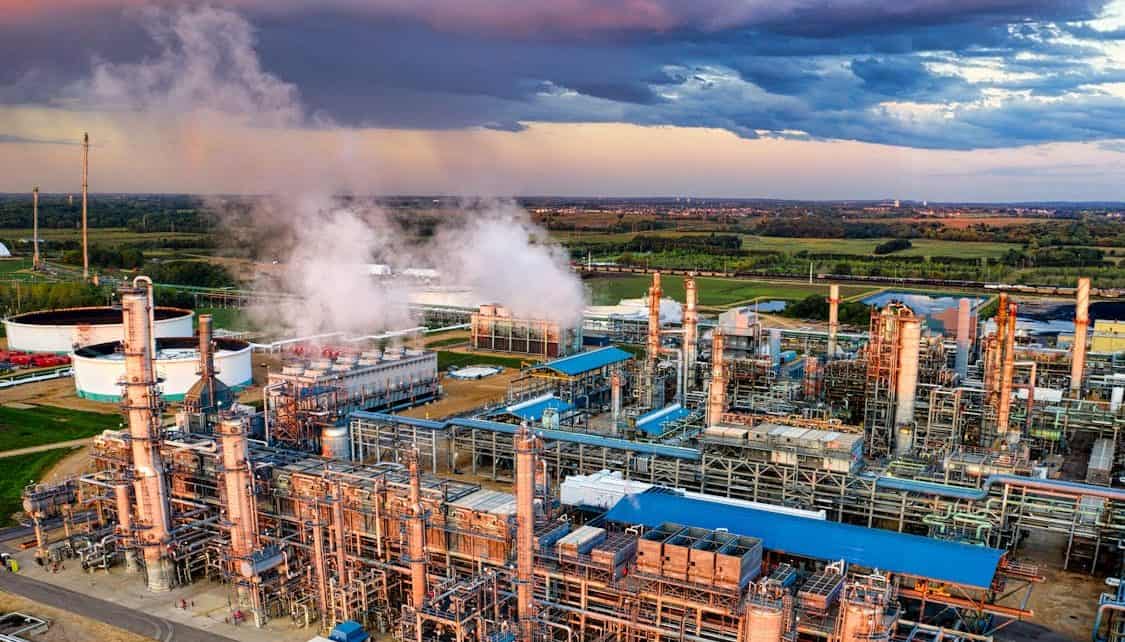
The oil industry runs on systems that move fluids, people, data and money, and infrastructure is the stage where those systems meet. Robust pipelines, ports, power grids and roads create the pathways that let crude become product and product reach markets with predictable timing.
Investment and upkeep in physical assets shape how companies plan output, respond to price swings and manage risk when trouble hits. The next sections outline five concrete reasons why hard assets matter to every step in the oil business.
1. Supply Chain Efficiency
When transport links and storage hubs are in place, barrels move from wellhead to refinery with fewer hiccups and less idle time for vessels and rigs. Efficient routing cuts idle inventory and reduces the need for expensive interim oil storage, which tightens margins and keeps sales schedules intact.
Logistics that match production cadence allow buyers and sellers to plan contracts with greater confidence and less padding in time windows. The result is smoother operation across the whole chain from field to market.
Capital flows and scheduling depend on that same efficiency because delays translate directly into extra costs for chartering, lease days and labor. Well timed deliveries lower the probability of supply gluts at local hubs and limit forced shut ins when storage tops out.
Firms can forecast working capital needs with a clearer view of throughput, which eases negotiations with lenders and trading partners. In short, moving oil well matters to the bottom line and to the health of the larger commercial network.
2. Safety And Risk Management
Good infrastructure reduces exposure to spills and catastrophic failures by providing controlled environments for handling hazardous materials. Modern loading arms, leak detection systems and reinforced storage reduce the number of human and mechanical errors that can trigger environmental incidents.
When systems are designed with redundancy and remote monitoring, operators can isolate faults quickly and keep small problems from ballooning into severe situations. That containment saves cleanup costs, legal exposure and reputational harm.
Training and emergency response hinge on predictable layouts and clear access to critical points, so crews can act fast when alarms sound. Fire suppression, containment berms and evacuation routes all rely on solid planning and maintained structures.
Insurance underwriters respond to demonstrable safety investments with more favorable terms and coverage options. A safer site is not only a moral win but a commercial advantage that stabilizes operations under pressure.
3. Production And Processing Capacity

Refineries, gas plants and associated gathering systems translate crude into sellable products at scale, and their design governs what grades of oil the market can accept. Upgrades or expansions in processing capacity allow regions to capture additional value instead of exporting raw feedstock at a discount.
Equipment sizing, spare parts inventories and power reliability all influence uptime, which in turn determines how much product reaches pipelines and terminals. Optimized processing infrastructure keeps throughput high and yields predictable product slates for downstream customers.
Investment in modular units and flexible process trains also gives operators room to shift crude slates and adjust to changing demand for diesel, jet fuel and petrochemical feedstock. That flexibility preserves margins when market preferences move or when feedstock quality varies from expectation.
Strategic placement of processing hubs shortens internal transport legs and cuts handling loss, improving overall conversion economics. In many markets, processing capacity is what turns geological potential into marketable supply.
4. Market Access And Transportation
Ports, rail terminals and pipeline interconnects are the literal bridges between production zones and buyers, domestic or abroad. When these conduits are scarce or congested, producers face discounts, delayed sales and more volatile pricing for output that cannot reach high value outlets.
Direct access to multiple transport modes reduces single point failure risk and gives sellers optionality when routes clog or when geopolitical events shift demand. Market access is therefore not just a matter of distance but of resilient connectivity.
Strategic logistics can also lower friction for exports, letting a region compete on delivery time as well as price. Bargaining power with refiners and traders improves when a producer can route product to the best paying hub quickly.
Diversified export routes soften the blow of sanctions, strikes or seasonal limitations on one corridor. In essence, the better the transport network, the wider the set of reachable buyers and the better the price discovery for sellers.
5. Maintenance And Longevity Of Assets
Routine upkeep and timely repairs keep wells, pipelines and processing units running close to nameplate capacity, which preserves the asset value and operating history investors like to see. Deferred maintenance creates technical debt that compounds, turning small defects into costly breakdowns that halt production and require long lead time parts.
Regular inspection regimes, cathodic protection for buried lines and proactive replacements for aging components extend useful life and lower unplanned downtime. Predictable asset health makes project planning and budgeting far less hazardous.
Lifecycle planning also affects decommissioning costs and community relations when fields wind down, since well maintained sites tend to close in a cleaner, faster way. Proper records, engineering updates and spare parts stockpiles reduce the scramble for last minute solutions when a vital valve or pump fails.
Companies that treat maintenance as part of core operations often find that long term returns beat short run savings from postponement. A steady maintenance culture keeps equipment productive and stakeholders calmer when the unexpected occurs.


