

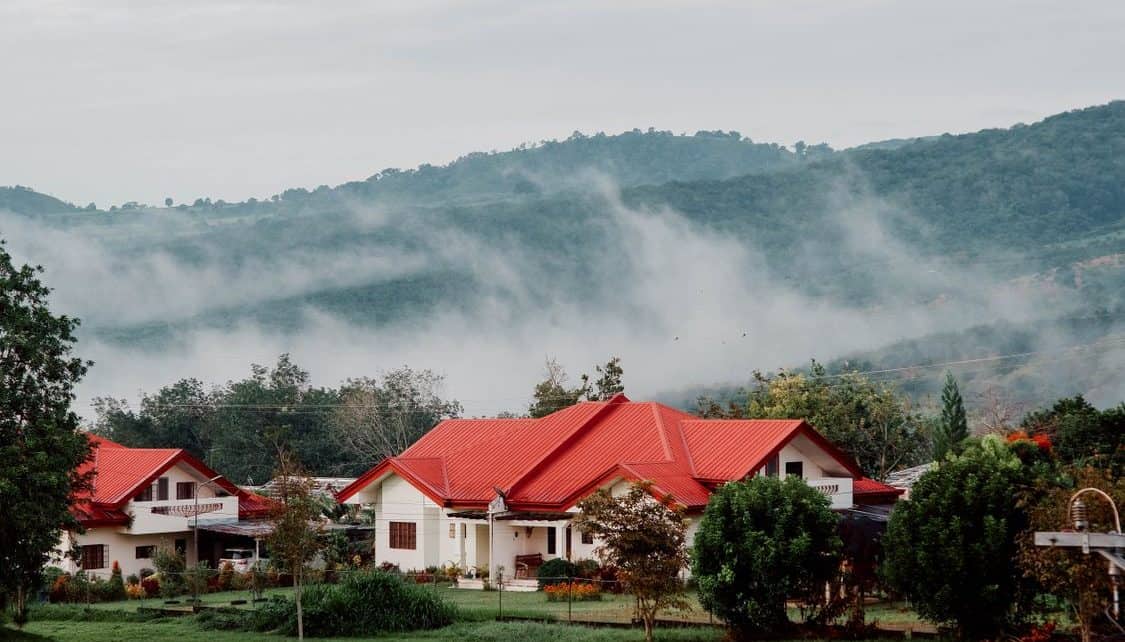
Wildfire feels like a western Canadian concern, far from the suburbs of Peel Region. But the sheer scale of the 2025 fire season pushed fire performance into conversations it used to skip, including, for some homeowners, how a roof is rated against flame.
It is worth keeping the risk in proportion for the GTA, which is what this comes down to: fire rating is a reasonable thing to understand and a poor thing to obsess over, given the actual hazards a Mississauga roof faces.
The season that changed the framing
Wildfires across Manitoba and Saskatchewan drove insured losses of close to $300 million in 2025, with one complex alone forcing the evacuation of roughly 40,000 people.
For most Mississauga homeowners, direct wildfire risk remains low, and that is the honest baseline. What the season changed was awareness, and with it, more questions about how building materials, including roofing, behave when fire is part of the equation, even in places where fire is not the primary threat.
What a fire rating actually means
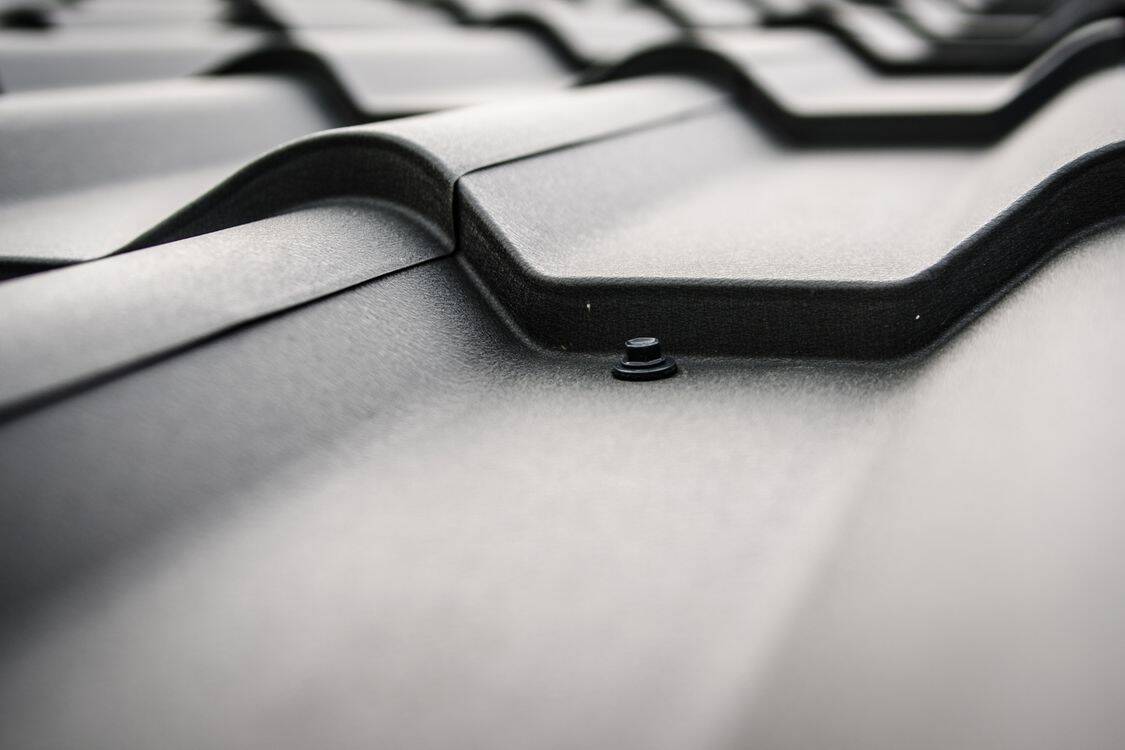
Roofing materials carry fire ratings, with Class A being the highest level of resistance. The rating reflects how the roof assembly behaves when exposed to flame and to burning debris landing on it from elsewhere, which is often how houses ignite in a fire event.
Metal roofing typically carries a Class A fire rating, which is one of the quieter reasons it appeals to homeowners thinking about overall resilience. Many quality asphalt shingle assemblies achieve Class A as well. It is rarely the headline reason to choose a roof, but it sits there as part of the package.
Putting it in proportion for the GTA
Fire rating belongs on the list of things a Mississauga homeowner considers, but it sits well below the local realities of ice, wind, and intense rain in day-to-day importance. A roof here should be specified first for the freeze-thaw cycle and wind uplift that it will actually face every year.
The useful conversation is with a roofer who can weigh fire rating alongside lifespan, snow-shedding, impact resistance, and cost for a specific home, rather than one selling a single spec as the answer to everything. The right adviser focuses on the roof best matched to local conditions, not on whatever risk happens to be in the headlines that month.
Resilience is a system, not a single rating
The deeper point is that a resilient roof is a system, not a single number on a spec sheet. Fire rating, impact rating, wind resistance, and proper detailing all contribute, and the strongest roof is the one where they are balanced sensibly for the actual climate.
So while the 2025 fire season made Class A ratings a more common question, a Mississauga homeowner is best served by treating it as one input among several. The goal is a roof well matched to GTA weather and well installed, which delivers far more real-world protection than chasing any one rating in isolation.


