


High water bills can sneak up on homeowners, showing up on a monthly statement like an unwelcome guest. Small leaks, odd system behavior, and hidden failures often explain the spike more than overt misuse.
Catching those stealthy culprits early saves cash and grief, and it often takes nothing more exotic than a careful look and a bit of elbow grease. Here are five hidden causes that commonly slip under the radar.
1. Running Toilets And Phantom Flows
A toilet that runs quietly between flushes can waste hundreds of gallons over a month, yet it often emits no obvious sound. The usual suspects are worn flappers, warped seats, or a float that fails to hold at the right height, producing a slow but steady flow.
Many owners think a silent bathroom is doing fine, and that thinking can be costly when the slow leak adds up like a dripping tap that never stops. A dye test in the tank is a cheap, fast way to confirm a leak; if color shows in the bowl without flushing, the flapper or fill mechanism likely needs replacement.
Fixing a running toilet is typically straightforward and within reach of most DIYers, with parts available for a few dollars at any hardware store. If the flush valve or overflow tube is cracked, swapping in a modern replacement can restore a tight seal and end the phantom drain.
For older, quirky tanks, a full rebuild kit often resolves several related faults at once and extends service life. When problems persist despite new parts, the issue may be the bowl itself or a subtle crack, and that calls for professional inspection.
2. Irrigation System Failures And Misprogramming
Automatic sprinkler systems are blessing and curse: they keep lawns green while quietly consuming a lot of water when misaligned or misprogrammed. Broken heads, collapsed lines, or valves that fail to close can spray water where it isn’t needed, and controllers set to run too frequently or at the wrong time compound waste.
Zones aimed at sidewalks or driveways are classic examples of wasted flow that many homeowners overlook because the system appears to be working. A walkaround during a cycle will reveal most visible problems and show where heads need adjustment or replacement.
Irrigation controllers can also slip into bad habits after a power blip or seasonal reset, reverting to factory timing that runs too often. Smart controllers reduce that risk by adapting schedules to weather, but they still require a tune-up once per season to match plant needs and local rules.
Look for soggy patches, mowed grass with uneven color, and puddling near valves as clues to subterranean issues. When underground leaks are suspected, a pressure test or listening device can pinpoint failing laterals without invasive digging.
3. Water Softener And Filter Malfunctions
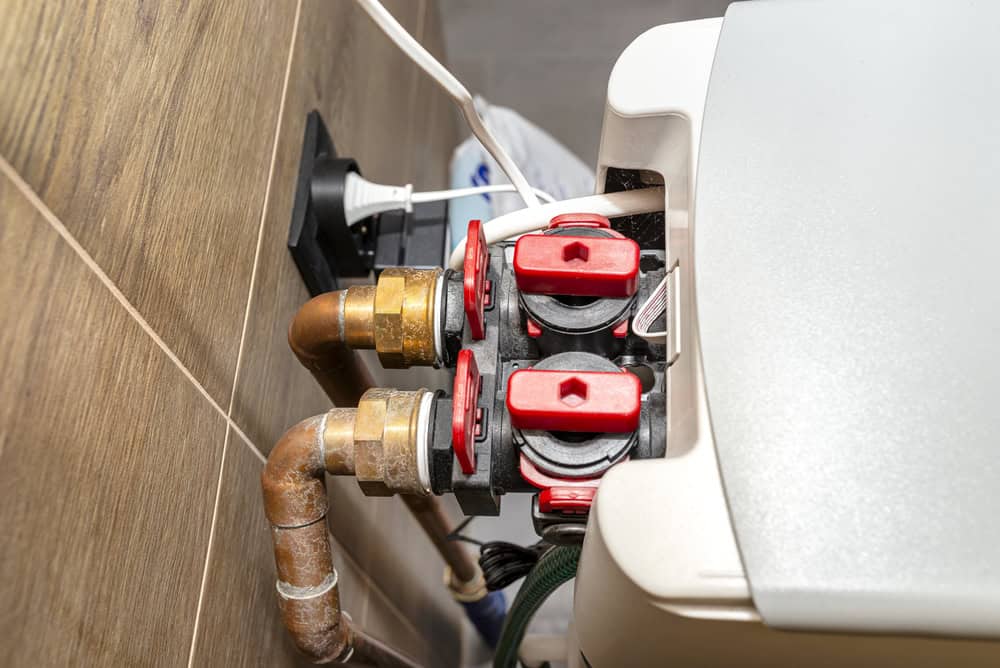
Water treatment devices improve taste and protect plumbing, yet they can be hidden sources of high use when the regeneration cycle runs excessively. A softener stuck in continuous regeneration or set with too-short intervals uses a tidy stream of water each cycle, and an overactive filter backwash can do the same.
These systems often sit in basements or closets, out of sight and out of mind, producing bills that climb while doing what they were meant to do poorly. An owner who checks cycle times, salt levels, and the unit’s timer will often spot that something is repeating more than necessary.
Common triggers for over-regeneration include a failing control valve, incorrect hardness settings, or a faulty meter that misreads flow. A technician can recalibrate the device so it matches actual household consumption and local water hardness, ending needless cycles.
Replacing worn seals and checking for brine tank overflow are simple fixes that restore efficiency. For a low-tech check, pencil in a manual observation window during a regeneration event and note duration and frequency, then adjust settings accordingly.
4. Slab Leaks And Underground Lateral Breaks
When water flows under concrete or out of sight into soil, the loss is stealthy and often large, making slab leaks and lateral breaks among the most expensive hidden culprits. Homeowners living with slight pressure drops, warm spots on floors, or unexplained lawn wetness should suspect a leak beneath the surface that doesn’t find daylight.
These failures can stem from age, shifting soils, or sudden pressure spikes that nick old pipes, leaving a treasure chest of wasted gallons right underfoot. Detecting them early prevents damage to foundations, flooring, and landscaping.
Locating a hidden break is part art and part tech; acoustic listening devices, thermal imaging, and pressure testing narrow the search field so repairs are focused. Repair strategies range from targeted pipe replacement to trenchless spot repairs that keep disruption to a minimum.
If the line under the slab must be replaced, rerouting along an accessible path often pays off in long-term reliability. Working with a plumber who documents findings with photos and measurements helps homeowners make an informed choice about repair scope.
5. Appliance Hoses, Tank Leaks, And Cycle Anomalies
Worn washing machine hoses, slow dishwasher malfunctions, and water heater tank weeps are classic sneaky spenders that show up as a drip or a stain before a bill spikes. Rubber hoses degrade over time, and braided stainless ones can still fail at the fitting, producing a slow leak that evaporates unnoticed in a laundry closet.
Older water heaters may develop small pinhole leaks or pressure-relief valve discharges that run intermittently and rack up usage. Appliances with faulty sensors or interrupted cycles can repeat fill or rinse steps, and that redundancy stacks up quickly.
A practical routine inspection once a season prevents many failures: check hose connections, look for rust or puddles, and watch a full cycle to confirm timing and flow. If you’ve noticed your utility costs creeping up, it can help to compare your household use with the average hot water bill Melbourne residents typically pay to see whether your system is working efficiently.
Replacing hoses every five to seven years, fitting a drain pan under a water heater, and knowing how long a full dishwasher run takes provides useful baselines.
For high-usage homes, installing a leak-detection shutoff at the main or automated valve on appliances adds a layer of protection that pays back through avoided loss. When an appliance shows any sign of odd behavior, act early; catching a small fault keeps water bills from becoming an arm and a leg.


